
Newsletter Subscribe
Enter your email address below and subscribe to our newsletter

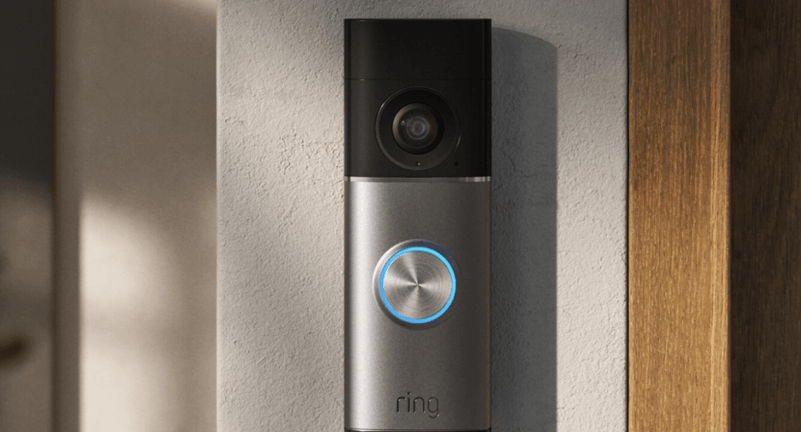
A video doorbell is a smart home device that combines a traditional doorbell with a built-in camera, microphone, speaker, and internet connectivity. It allows homeowners to see, hear, and communicate with visitors through a smartphone, tablet, or computer, whether they are at home or away.
Video doorbells have become an important part of modern home security by providing real-time notifications, live video, motion detection, and recorded footage. This guide explains what a video doorbell is, how it works, its key features, benefits, applications, challenges, and best practices.
A video doorbell is an internet-connected security device installed near an entrance that captures video and audio when someone approaches or presses the doorbell. It enables remote monitoring and two-way communication through a companion mobile application.
Video doorbells are commonly used in houses, apartments, offices, and small businesses.
Built-in sensors detect movement near the entrance and can trigger alerts or start recording.
The integrated camera records live or event-based video of visitors and activity around the doorway.
A built-in microphone and speaker allow users to communicate with visitors in real time.
The device connects to a wireless network, enabling remote access and notifications.
Users can view live video, receive alerts, review recordings, and adjust settings through a compatible app.
Watch real-time video from your front door using a connected device.
Receive notifications when movement is detected near your entrance.
Speak with delivery personnel, guests, or visitors without opening the door.
Many models provide clear video in low-light or nighttime conditions.
Store recorded footage locally or in cloud storage, depending on the model and configuration.
Review previous events and recordings to monitor activity around your property.
Many video doorbells work with compatible smart displays, security systems, lighting, and voice assistants.
Monitor activity at your front door and increase awareness of visitors and deliveries.
View your entrance from virtually anywhere using an internet-connected device.
Talk to visitors without needing to be physically present at the door.
Keep an eye on deliveries and receive notifications when activity is detected.
Stay informed about who visits your property throughout the day.
Improve home security and monitor visitors.
Screen visitors before granting access.
Check on entrances while away from the property.
Monitor customer arrivals and deliveries.
Track visitors and improve entry management.
Provide additional security for entrances and shared access points.
Remote viewing and notifications generally require a reliable internet connection.
Some models use rechargeable batteries, while others connect to existing doorbell wiring.
Proper placement and responsible use are important to respect the privacy of neighbors and visitors.
Certain devices may require an optional subscription to access extended video history or advanced features.
Choose between a battery-powered model for easier installation or a wired model for continuous power, depending on your home’s setup.
Look for clear image quality that performs well during both daytime and nighttime conditions.
Choose a device with adjustable motion settings to reduce unnecessary alerts.
Review whether recordings are stored locally, in the cloud, or through both methods.
If you already use smart home devices, ensure the doorbell integrates with your preferred ecosystem.
A reliable app should provide live viewing, notifications, event history, and easy device management.
Position the camera to capture visitors clearly while covering the desired viewing area.
Use a strong password and enable multi-factor authentication if available.
Install firmware and app updates to improve security and performance.
Configure motion detection areas to reduce alerts caused by passing traffic or other non-essential activity.
Clean the camera lens periodically and check battery levels or wiring to ensure reliable operation.
Receive timely notifications about activity at your entrance.
Interact with visitors even when you are away from home.
Monitor packages and confirm deliveries.
Connect with compatible security systems, lighting, and other smart home devices.
A video doorbell is a smart security device with a camera, microphone, and internet connectivity that allows users to monitor and communicate with visitors remotely.
Recording behavior depends on the model and settings. Some devices record when motion is detected or when the doorbell is pressed, while others may support continuous recording if configured and supported.
Yes. Many video doorbells are available in battery-powered versions that do not require existing doorbell wiring.
Yes. Most modern video doorbells include night vision technology that allows them to capture video in low-light conditions.
Yes. As long as the device is connected to the internet and your mobile device has internet access, you can typically view live video, receive alerts, and communicate with visitors remotely.
Video doorbells combine convenience, communication, and security into a single smart home device. With features such as live video, motion detection, two-way audio, night vision, and remote monitoring, they help homeowners and businesses stay informed about activity at their entrances. By choosing a model that fits your installation needs, maintaining secure account settings, and keeping the device updated, you can enhance the safety and convenience of your property while improving everyday visitor management.

